NAFLD (Now MASLD): What Every Family Needs to Know About Fatty Liver Disease in Adults and Kids
Learn what families need to know about metabolic dysfunction-associated steatotic liver disease (MASLD)—formerly NAFLD—including risks for both adults and children, and steps you can take for liver health.
As a pediatrician and plant-based health coach, I’ve seen firsthand how non-alcoholic fatty liver disease (NAFLD)—now newly named metabolic dysfunction-associated steatotic liver disease (MASLD)—is quietly becoming one of the most common—and overlooked—health issues for both adults and children. Many families I work with are surprised to learn that this “silent” liver condition isn’t just an adult problem; it’s affecting more kids than ever before.
I recently shared more insights on this topic as a quoted expert in the WellnessPulse article, “Best and Worst Foods for Liver Health: What to Choose and What to Limit.” Read the full article on WellnessPulse.com.
What’s in a Name? NAFLD Is Now MASLD
You may have heard the term NAFLD, but in 2023, experts updated the name to MASLD (metabolic dysfunction-associated steatotic liver disease) to better reflect the root causes of the condition. The new name emphasizes the strong link between fatty liver and metabolic health issues like obesity, insulin resistance, and type 2 diabetes. This change also aims to reduce stigma and clarify that the disease is not simply about the absence of alcohol, but about underlying metabolic dysfunction (Lazarus et al., 2023).
What Is MASLD?
MASLD means there’s extra fat stored in the liver, not due to alcohol, but often linked to lifestyle factors like diet, weight, and activity level. It can range from simple fat buildup to more serious inflammation and scarring, which can eventually lead to cirrhosis or even liver cancer.
Why Does MASLD Matter?
Most people with MASLD don’t have symptoms, so it’s easy to miss. In my practice, I often discover it during routine bloodwork or imaging for other reasons. The real concern is that MASLD raises the risk for type 2 diabetes, heart disease, and other serious health problems—sometimes even before liver symptoms appear. MASLD is now the leading cause of chronic liver disease worldwide, affecting nearly 30% of the global population and rising (Younossi et al., 2016; Amini-Salehi, 2024).
How MASLD Affects Adults
Adults with MASLD are often juggling busy lives, work, and family, and may not realize their liver is under stress. I’ve seen patients who felt perfectly healthy, only to find out their liver enzymes were elevated or their ultrasound showed fatty changes. Many have risk factors like obesity, high cholesterol, or diabetes, but sometimes MASLD appears even in people who don’t fit the “typical” profile (Younossi et al., 2019).
MASLD in Children: A Growing Concern
What really worries me as a pediatrician is how MASLD is showing up in younger and younger kids. I’ve counseled families whose children were diagnosed after a routine checkup. Kids with obesity, especially boys and those from certain ethnic backgrounds, are at highest risk (Vos et al., 2017). Because children’s livers are still developing, early damage can have lifelong consequences (Vos et al., 2017).
What Can Families Do?
The good news is that MASLD can often be improved—or even reversed—with lifestyle changes. In my coaching sessions, I focus on:
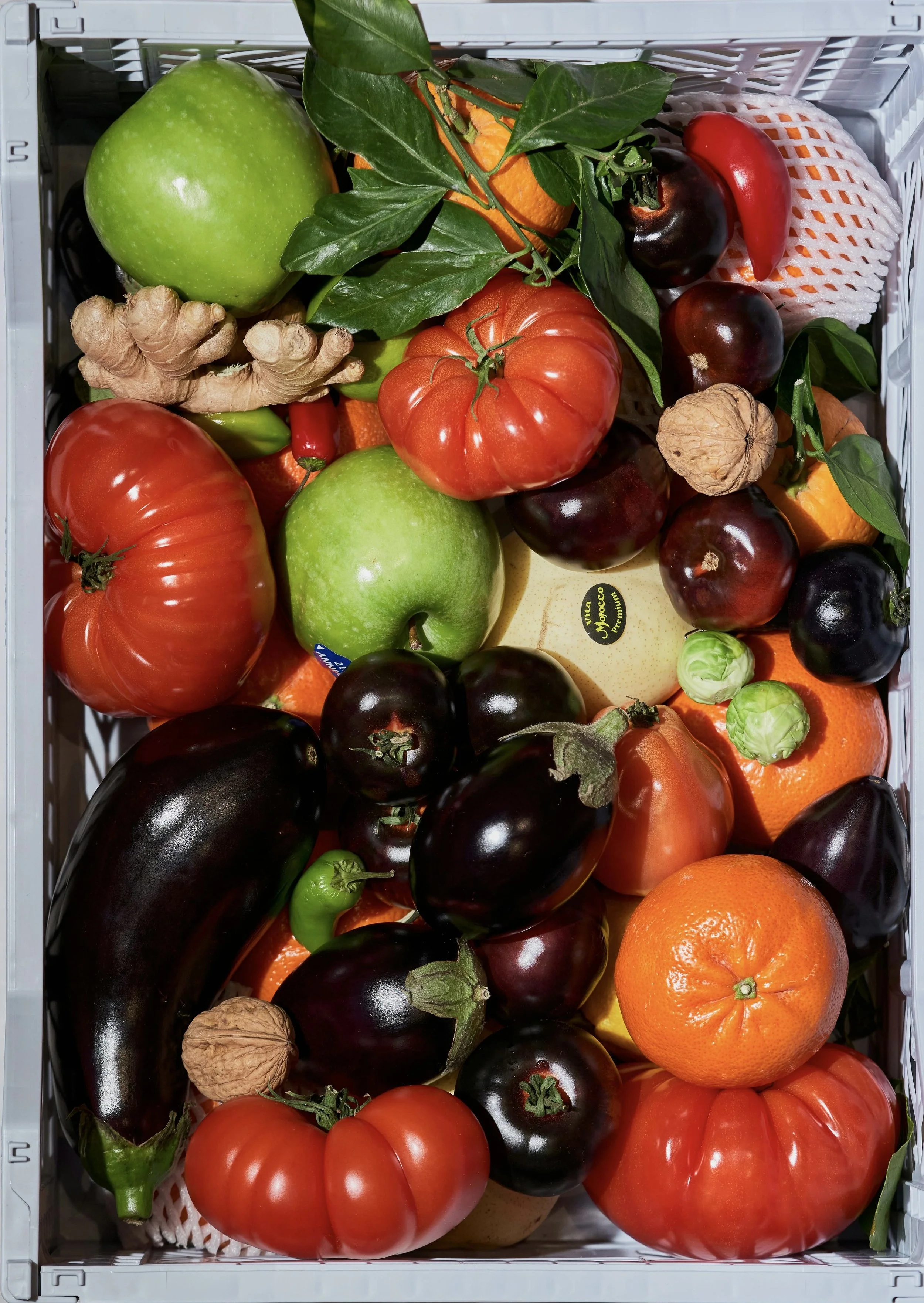
· Balanced, plant-forward meals: Prioritizing fruits, vegetables, whole grains, and lean proteins while cutting back on sugary drinks and processed foods.
· Regular movement: Encouraging families to find fun ways to be active together, whether it’s biking, walking, or dancing in the living room.
· Weight management: Even a small amount of weight loss can make a big difference for liver health.
· Limiting or avoiding alcohol: For adults, I strongly recommend minimizing alcohol, as it can worsen liver damage—even in small amounts (Jarvis, 2021).
My Takeaway for Families
If you or your child has risk factors like obesity, diabetes, or high cholesterol, talk to your healthcare provider about screening for MASLD. Early action can prevent serious complications down the road. I’ve seen families turn things around with small, consistent changes—and I’m here to support you every step of the way.
If you have questions about MASLD or want to learn more about plant-based approaches to liver health, feel free to reach out. Together, we can help your family thrive—inside and out.